Unsure about fragrance-free vs unscented vs hypoallergenic? Don’t panic. We’ll sort it out for you and teach you what to look for.
You’ve probably come across all terms, and it can be challenging to understand the differences. And it’s not a coincidence.
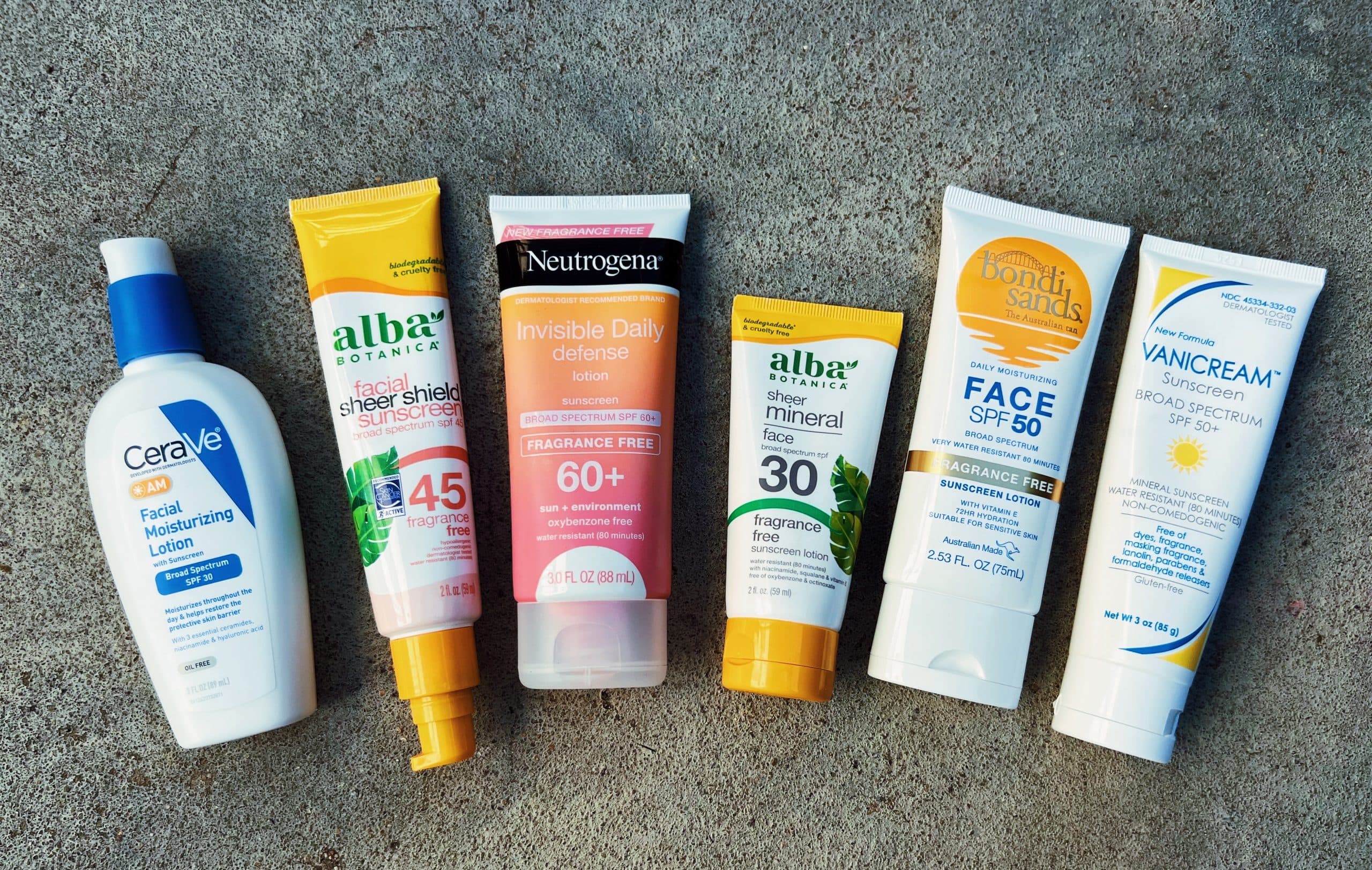
The consumer goods industry has us all confused. When it comes down to it, fragrance-free means… well, fragrance-free, but what exactly does that mean? And what about all the other terms we see on labels, such as unscented, perfume-free, and hypoallergenic?
Unfortunately, checking labels for words like fragrance-free or unscented isn’t enough because there is no federal standard or definition that governs the use of these terms in the United States. Instead, it’s all about clever use of semantics by the consumer goods industry’s marketers.
Below we will explain some of the most important terms to help you navigate the fragrance-free product terms, such as fragrance-free vs unscented vs hypoallergenic.
Fragrance-free
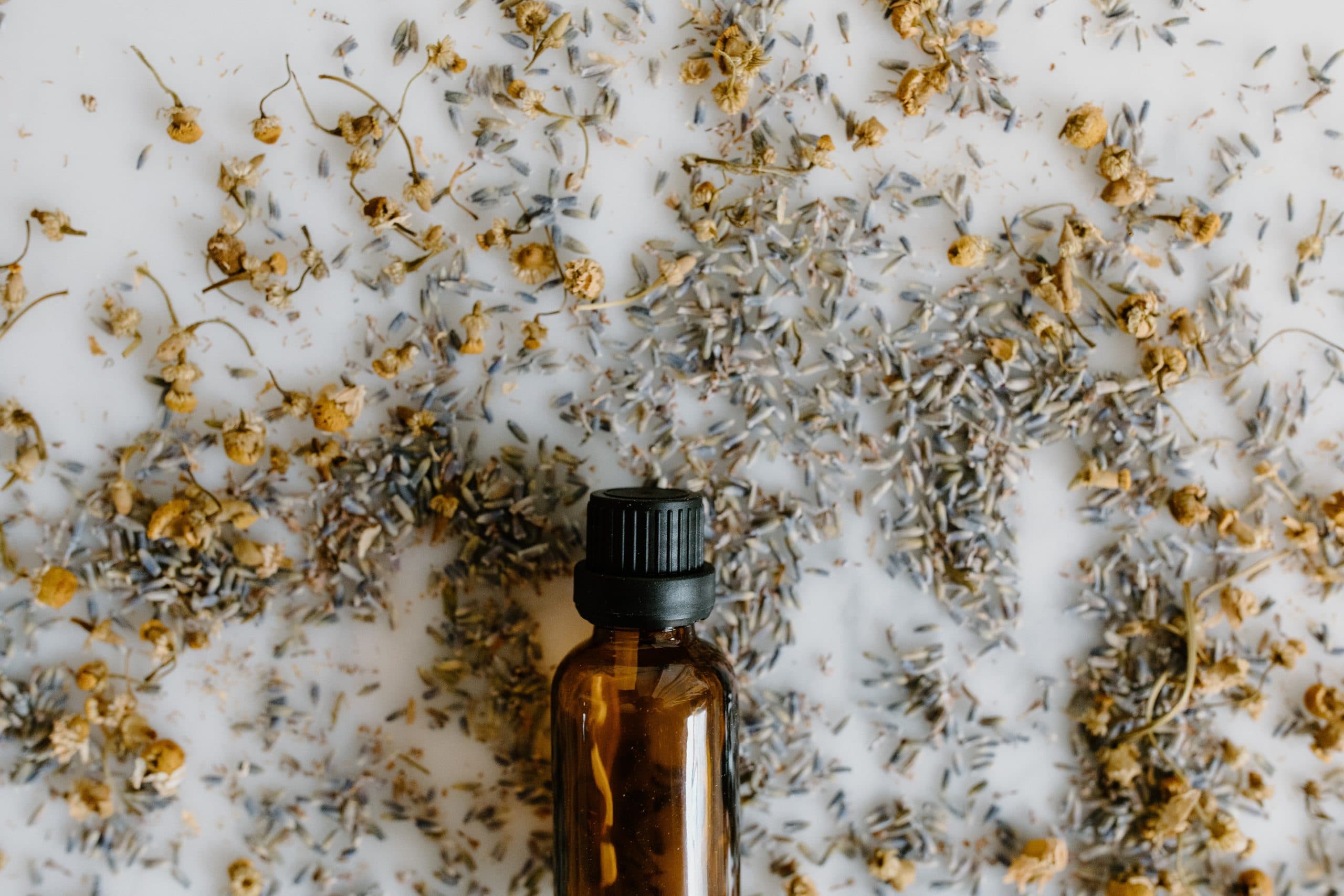
No fragrance or masking scents have been added during the manufacturing process. But you’re still not in the clear with a product labeled fragrance-free. For example, a product may be labeled as fragrance-free, even if it’s made with an oil that has a scent (for example, rose or lavender, which can irritate be irritating for some people’s skin).
Unscented
A product labeled unscented is considered unscented because it has no obvious scent (basically, it means that the product has been designed to be odorless). Sometimes this means the product contains fragrance chemicals that neutralize or mask the odors of other ingredients. Unfortunately, these scent-masking chemicals can be just as harmful and irritating for the skin as regular fragrance types.
Hypoallergenic
The term means that a product contains few allergens (substances that cause an allergic reaction). However, because there is no agreed-upon scientific or legal definition of the term, the word ‘hypoallergenic’ printed on a label can mean whatever the manufacturer wants it to mean. Lo and behold, products labeled hypoallergenic can still have fragrance in them.
Dermatologist recommended
It really has little meaning when a product prides itself on being dermatologist-recommended or dermatologist-approved. Just as the term hypoallergenic, there is no legal definition of the term in the United States. If one dermatologist tests a product and determines that it is safe for consumers, this is sufficient to warrant a dermatologist-recommended label.
Essential oils
There is no regulatory definition for “essential oils,” although people commonly use the term to refer to certain oils extracted from plant sources.
Natural fragrance
Natural fragrances are complex compositions of natural aromatic raw materials such as essential oils, fractions of essential oils, isolates, exudates such as resins, distillates, extracts, and volatile concentrates.

I learned all this years ago as a multi chemical sensitive person. It was also an expensive lesson, both in products tossed, and health suffering, needing prescription drugs to cope. I wish the industry would just put out products I can use.
Hi Chris,
We are sorry to hear about your multi-chemical sensitivity. We couldn’t agree more and hope the industry will start to focus on clean and healthy products without unnecessary additives and harmful chemicals.